

What to Eat After Root Canal Before Crown – Dentist-Approved Food Guide

Undergoing a root canal is an important step in saving a damaged tooth and relieving pain caused by infection or decay. While the procedure itself restores the inner health of your tooth, the period between the root canal and crown placement requires special care — especially when it comes to your diet.
Knowing what to eat after a root canal before getting your crown can help you heal faster, avoid complications, and protect your temporary filling. Eating the wrong foods, on the other hand, can cause discomfort or even damage the treated tooth.
This dentist-approved food guide explains what to eat, what to avoid, and how to maintain your oral hygiene during the recovery phase.
Why You Need to Be Careful After a Root Canal
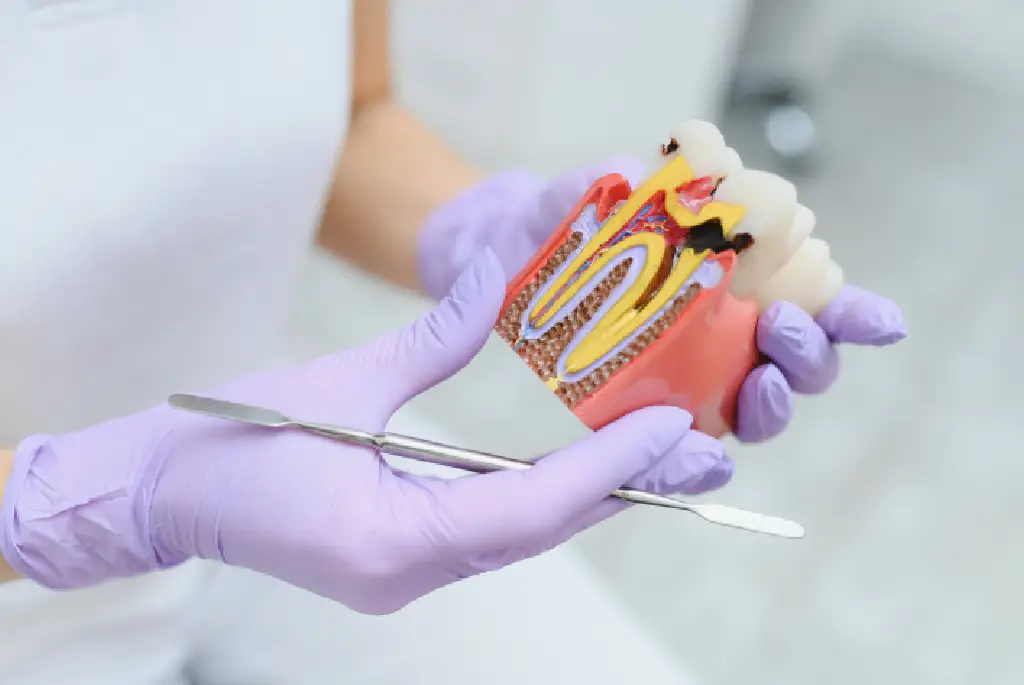
After a root canal, the infected pulp is removed, and the tooth is filled and sealed. However, until a permanent crown is placed, the treated tooth is more fragile and sensitive.
The temporary filling or cap that covers it provides limited protection. Chewing hard or sticky foods can put pressure on the tooth, leading to cracks, pain, or dislodging of the filling.
Eating soft, easy-to-chew, and nutrient-rich foods helps protect the treated tooth while keeping your energy and immunity strong during recovery.
When Can You Start Eating After a Root Canal?
Your dentist will usually recommend waiting until the anesthesia wears off completely before eating or drinking. This prevents accidental biting of the tongue, lips, or cheeks while still numb.
Once the numbness is gone, you can start with soft foods and gradually return to your normal diet over the next few days. Always chew on the opposite side of your treated tooth to avoid putting pressure on it.
Dentist-Approved Foods to Eat After Root Canal Before Crown
Here’s a list of soft, gentle, and nutritious foods that are safe to eat after your root canal procedure:
1. Soups and Broths
Warm (not hot) soups are an excellent choice after a root canal. They are easy to swallow, soothing, and full of nutrients.
Opt for vegetable, lentil, or chicken broth-based soups. Avoid very hot or spicy versions as they can irritate sensitive gums.
2. Smoothies and Shakes
Blended smoothies are perfect for nutrition without chewing. You can include soft fruits like bananas, berries, mangoes, and yogurt for protein and calcium.
Avoid using a straw during the first 24 hours, as the suction can disturb the temporary filling or irritate the treated area.
3. Mashed Potatoes or Boiled Rice
Soft, mashed potatoes or well-cooked rice are gentle on teeth and easy to digest. You can add a bit of butter or soft vegetables for taste.
Ensure they are not too hot to prevent irritation or discomfort.
4. Scrambled or Boiled Eggs
Eggs are rich in protein and very easy to chew. Scrambled or soft-boiled eggs make an excellent meal during recovery.
Avoid adding hard spices or crunchy toppings that could disturb the treated area.
5. Yogurt and Pudding
Plain or flavored yogurt provides probiotics and protein that support healing. Puddings and custards are also great options for a light, soothing meal.
Avoid yogurts that have crunchy mix-ins like granola or fruit chunks.
6. Oatmeal and Porridge
Warm oatmeal, porridge, or dalia (broken wheat) is filling, soft, and gentle on your mouth. You can mix in mashed fruits like bananas or applesauce for flavor.
7. Steamed or Mashed Vegetables
Soft-cooked vegetables like carrots, pumpkin, spinach, or peas are excellent post-procedure foods. They provide vitamins and fiber without straining your teeth.
Mash them lightly if needed to make chewing easier.
8. Pasta and Noodles
Well-cooked pasta or noodles can be eaten once your mouth starts feeling normal. Avoid hard sauces or toppings like nuts and crispy vegetables.
Stick to simple, soft dishes such as macaroni with cheese or light tomato sauce.
9. Soft Fruits
Fruits like bananas, papayas, melons, and peaches are easy to chew and full of nutrients. You can mash or blend them for easier consumption.
Avoid acidic or crunchy fruits like apples, pineapples, and guavas until the permanent crown is placed.
10. Ice Cream and Cold Desserts
Cold desserts can provide comfort and reduce mild inflammation after a root canal. However, choose soft options like plain ice cream or frozen yogurt.
Avoid nuts, chocolate chips, or hard toppings that could crack your temporary filling.
Foods to Avoid After Root Canal Before Crown
To protect your treated tooth, stay away from foods that are hard, sticky, crunchy, or extremely hot or cold. These can damage the temporary filling or cause pain.
Avoid the following until your permanent crown is fitted:
- Hard foods like nuts, popcorn, and chips
- Sticky foods like caramel, toffee, or chewing gum
- Tough meats or raw vegetables
- Acidic fruits such as oranges and lemons
- Fizzy or carbonated drinks
- Very hot beverages like tea or coffee immediately after treatment
Also, avoid biting directly with the treated tooth — even soft foods should be chewed on the opposite side.
Tips for Eating Comfortably After Root Canal
- Chew on the Opposite Side: Always use the side of your mouth opposite to the treated tooth to prevent pressure.
- Eat Slowly: Take small bites and chew gently to avoid discomfort.
- Avoid Extreme Temperatures: Choose foods that are lukewarm or at room temperature.
- Rinse After Eating: Use a mild saltwater rinse to keep the area clean and prevent infection.
- Stay Hydrated: Drink plenty of water to promote healing and maintain oral moisture.
If you experience pain while eating even soft foods after a few days, consult your dentist for a follow-up check.
What Happens If You Eat Hard Food After Root Canal?
Eating hard or crunchy foods before your crown is placed can cause serious problems. The treated tooth is temporarily sealed with a filling that’s not as strong as a permanent restoration. Hard food can:
- Crack or fracture the tooth
- Dislodge the temporary filling
- Cause pain or sensitivity
- Delay the crown placement process
If you accidentally bite something hard and feel discomfort, contact your dentist immediately to ensure the filling hasn’t been damaged.
How Long Before You Can Eat Normally After Root Canal?
Most patients can return to their normal diet within a few days after the root canal, depending on the level of healing and comfort. Once the permanent crown is fitted, the tooth regains full strength and can handle regular foods again.
Until then, it’s best to continue with a soft food diet and follow your dentist’s instructions closely. Patience during this short recovery period ensures long-term success of the treatment.
Maintaining Oral Hygiene After Root Canal
Along with eating carefully, maintaining oral hygiene is essential for proper healing.
- Brush gently around the treated tooth using a soft-bristle toothbrush.
- Avoid direct pressure on the temporary filling.
- Floss carefully to remove food debris, but do not pull the floss upward near the treated area.
- Rinse your mouth twice daily with a mild saltwater solution to prevent bacterial growth.
Good oral hygiene ensures that your tooth stays clean and free from infection until the crown is permanently fixed.
Frequently Asked Questions (FAQs)
Can I eat immediately after a root canal?
No. Wait until the numbness from anesthesia completely wears off to avoid accidental injury.
What should I drink after a root canal?
Drink lukewarm water, smoothies, or milkshakes. Avoid hot, carbonated, or acidic drinks for at least 24 hours.
How long should I avoid hard foods?
Avoid hard or crunchy foods until your permanent crown is placed, usually within one to two weeks after the procedure.
Can I eat spicy food after a root canal?
It’s better to avoid spicy foods for a few days as they can irritate the gums around the treated tooth.
When can I resume normal chewing?
You can return to normal chewing after your permanent crown is fitted and your dentist confirms that the tooth has fully healed.
Conclusion
After a root canal and before getting your crown, your tooth is in a sensitive healing stage and needs extra care. Following a soft food diet not only prevents damage but also promotes faster recovery and comfort.
Focus on nutritious, easy-to-chew foods like soups, mashed vegetables, yogurt, and smoothies, and avoid hard or sticky items that can strain your temporary filling.
With a little caution and proper diet, you’ll recover smoothly and be ready to enjoy your favorite meals again once your permanent crown is placed — pain-free and confidently.