

Is Invisalign Better Than Braces – Pros, Cons & Dentist Insights

When it comes to straightening teeth and achieving a confident smile, both Invisalign and traditional braces are highly effective options. However, many people today are drawn to Invisalign for its transparent appearance and convenience. Still, braces continue to be the trusted choice for complex dental corrections and affordability.
If you’re wondering which one is better for your needs, understanding the key differences, pros, and cons of both options is essential. This guide breaks down everything you need to know about Invisalign versus braces — along with professional insights to help you make an informed decision.
Understanding Invisalign and Braces
Before comparing the two, it’s important to understand how each treatment works.
Invisalign:
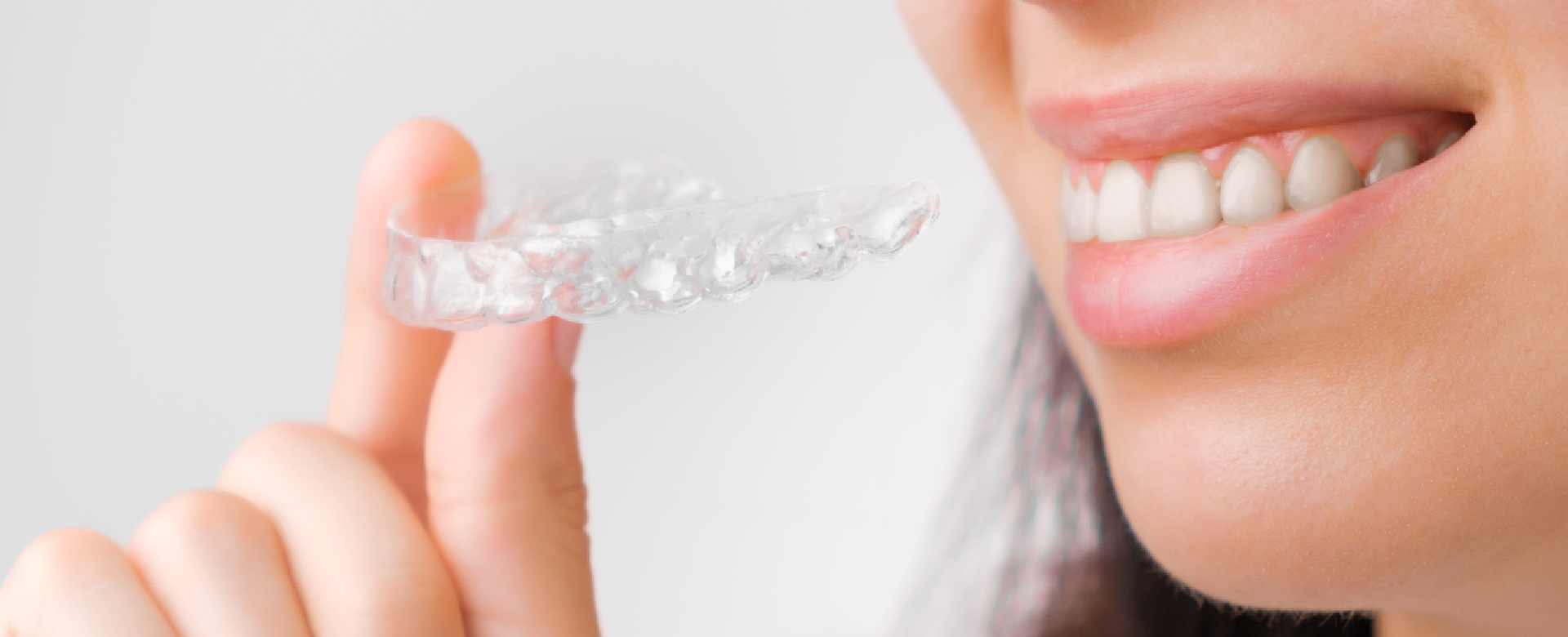
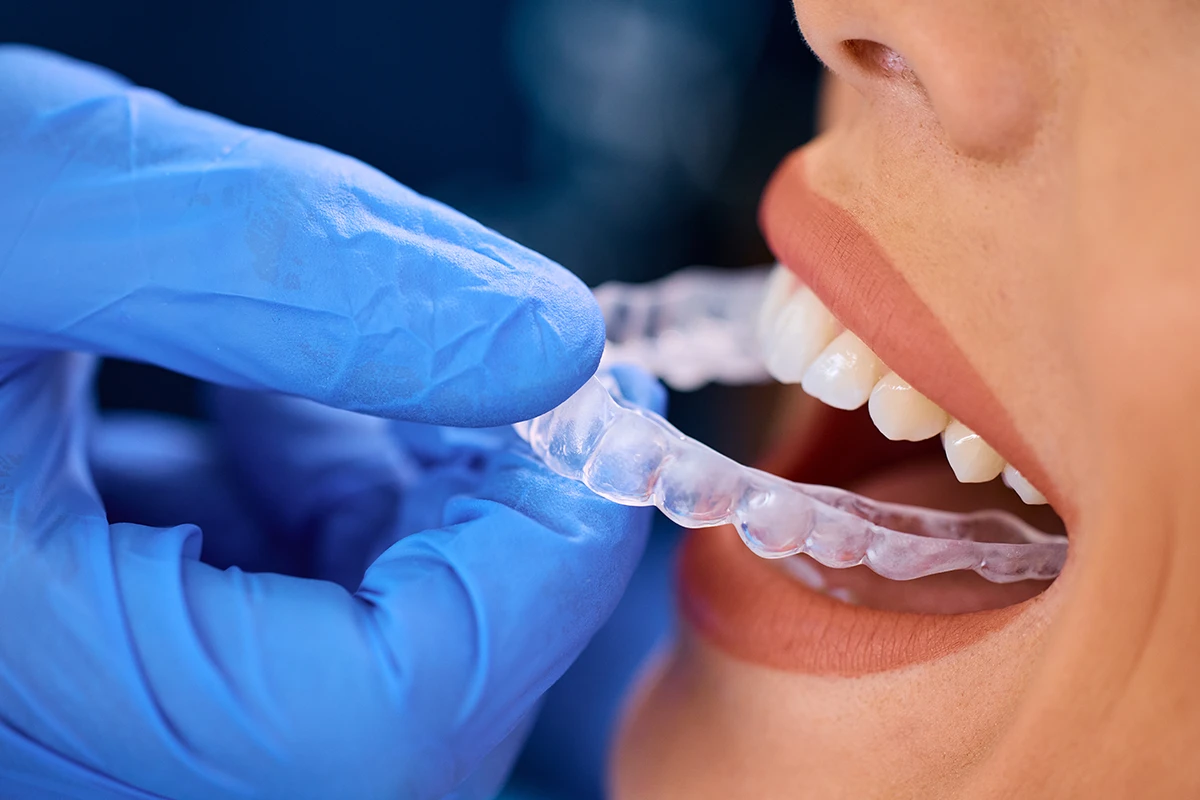
Invisalign uses a series of custom-made, clear plastic aligners that fit snugly over your teeth. These aligners gradually move your teeth into the desired position. They are removable, nearly invisible, and replaced every one to two weeks as your teeth shift.
Braces:
Traditional braces consist of metal or ceramic brackets fixed to the teeth and connected with wires and elastic bands. The dentist periodically tightens the wires to apply gentle pressure, guiding the teeth into proper alignment over time.
Both methods aim to achieve the same result — a straight, healthy smile — but they differ in design, comfort, maintenance, and treatment process.
Invisalign vs Braces: A Complete Comparison
Let’s explore the key factors that differentiate Invisalign and braces.
1. Appearance
The most noticeable difference between Invisalign and braces is aesthetics. Invisalign aligners are transparent and virtually invisible, making them ideal for people who prefer a discreet treatment option.
Braces, on the other hand, are more visible. Although modern ceramic or tooth-colored braces are less noticeable than traditional metal ones, they still remain visible when you smile or speak.
If appearance matters to you, Invisalign clearly has the upper hand.
2. Comfort
Invisalign aligners are made of smooth plastic and designed to fit precisely, which minimizes irritation to the cheeks and gums. Since there are no wires or brackets, patients often find them more comfortable.
Braces, however, may cause temporary discomfort, especially after adjustments, as the brackets and wires can rub against the inside of your mouth. Orthodontic wax and soft foods help ease this discomfort.
While both treatments apply gradual pressure, Invisalign is generally more comfortable for daily wear.
3. Removability and Eating Convenience
One of Invisalign’s biggest advantages is that it can be removed during meals and brushing. This allows you to eat whatever you like without worrying about food getting stuck, as often happens with braces.
Braces restrict certain foods like popcorn, nuts, or sticky candies that can damage wires or brackets. With Invisalign, you simply take the aligners out, eat your meal, brush your teeth, and put them back in.
However, Invisalign requires discipline — you must wear the aligners for at least 20 to 22 hours per day for effective results.
4. Oral Hygiene
Invisalign makes maintaining oral hygiene much easier. Since the aligners are removable, brushing and flossing can be done normally, reducing the risk of plaque buildup and gum problems.
Braces make cleaning more challenging because food can easily get trapped around the brackets and wires. Special brushes and floss threaders are often needed to clean thoroughly.
If you prioritize easy cleaning and hygiene, Invisalign offers a clear advantage.
5. Treatment Duration
Treatment time varies depending on the complexity of your case. For mild to moderate alignment issues, Invisalign typically takes 12 to 18 months.
Braces may take anywhere from 18 months to 3 years, depending on the severity of misalignment and patient compliance. However, braces may work faster for certain complex movements that Invisalign struggles with, such as severe rotation or vertical alignment issues.
6. Follow-Up Visits
With Invisalign, you receive multiple sets of aligners in advance, allowing for fewer in-office visits — typically every 6 to 8 weeks.
Braces require more frequent appointments for tightening or adjustments, usually every 4 to 6 weeks.
For those with a busy schedule, Invisalign offers more flexibility and convenience.
7. Effectiveness for Complex Cases
Traditional braces are often more effective for complex dental corrections involving severe crowding, bite problems, or rotated teeth. Braces provide stronger control over tooth movement and can handle intricate orthodontic adjustments better.
Invisalign works best for mild to moderate misalignments. Newer technology has improved its capabilities, but it still may not be ideal for very complex cases.
Your dentist or orthodontist will evaluate your specific needs and recommend the right option accordingly.
8. Maintenance and Care
Invisalign aligners must be cleaned regularly with water and mild soap or cleaning crystals to prevent bacteria buildup. You should avoid drinking colored beverages like coffee or wine while wearing them to prevent staining.
Braces require regular brushing and flossing around brackets and wires, which takes more time and effort. Patients with braces also need to visit the dentist promptly if a wire breaks or a bracket becomes loose.
9. Cost Consideration
Invisalign typically costs more than traditional braces due to the advanced technology, materials, and customization involved.
The cost for Invisalign can range from ₹1,50,000 to ₹3,00,000 in India, depending on case complexity.
Traditional metal braces generally cost between ₹50,000 to ₹1,00,000, while ceramic braces can cost up to ₹1,50,000.
Although Invisalign is more expensive, many patients find the comfort, appearance, and convenience worth the investment.
Pros and Cons of Invisalign and Braces
Invisalign – Pros
- Virtually invisible appearance
- Removable for eating and cleaning
- Comfortable and irritation-free
- Fewer dental visits
- Easier oral hygiene maintenance
Invisalign – Cons
- Higher cost
- Requires strict compliance (must be worn 20–22 hours daily)
- May not be suitable for very complex cases
- Aligners can be misplaced if not handled carefully
Braces – Pros
- Effective for all types of dental corrections
- No risk of losing aligners
- More affordable
- Continuous treatment (no need for patient compliance)
Braces – Cons
- Noticeable appearance
- Can cause temporary discomfort or sores
- Difficult to clean and maintain
Certain foods are restricted
Dentist Insights: Which Is Better?
Dentists often say that there is no one-size-fits-all answer when comparing Invisalign and braces. The right choice depends on your individual needs, age, lifestyle, and treatment goals.
- Invisalign is ideal for adults and teenagers who value aesthetics, flexibility, and comfort. It’s best for those with mild to moderate alignment issues and strong self-discipline.
- Braces remain the best option for children, teenagers, or adults who need complex tooth movement or bite correction. They offer precision, durability, and consistent results regardless of patient compliance.
The most reliable way to decide is to consult your dentist or orthodontist for a detailed assessment. They will evaluate your bite, jaw alignment, and dental health before suggesting the most suitable treatment.
Frequently Asked Questions (FAQs)
Is Invisalign as effective as braces?
Yes, for mild to moderate misalignments, Invisalign is equally effective. However, braces are better suited for complex or severe dental corrections.
Can I eat while wearing Invisalign aligners?
No. You should remove the aligners before eating or drinking anything other than water to avoid staining or damaging them
How often should I wear Invisalign aligners?
You need to wear them for at least 20 to 22 hours daily for best results.
Are braces painful?
Braces can cause mild discomfort, especially after adjustments, but this usually subsides within a few days.
Can Invisalign fix bite issues?
Invisalign can correct minor bite issues, but more severe cases may still require braces or a combination of treatments.
Conclusion
Both Invisalign and braces are effective tools for achieving a straighter, healthier smile. Invisalign offers a clear, comfortable, and modern alternative ideal for those who value appearance and convenience, while braces remain the go-to option for more complex dental issues.
The right choice depends on your dental condition, lifestyle, and budget. With proper guidance from your dentist, you can select the option that aligns best with your needs and enjoy lasting results with improved confidence.
No matter which method you choose, maintaining good oral hygiene and regular check-ups will ensure your treatment stays on track and your new smile lasts for years to come.