

How to Fix a Cracked Tooth Naturally: Proven Methods and Tips

A cracked tooth can be both painful and distressing, making it difficult to eat or even talk. If you’re dealing with a cracked tooth and aren’t sure how to handle it, you’re not alone. Fortunately, there are several ways to reduce the discomfort and potentially fix the crack naturally before seeking professional dental treatment. While these methods can help manage the situation, it’s always recommended to visit your dentist for a permanent solution.
In this guide, we’ll explore what causes a cracked tooth, how to alleviate the pain naturally, and the steps you can take to care for your cracked tooth until you can see a dental professional.
What Causes a Cracked Tooth?
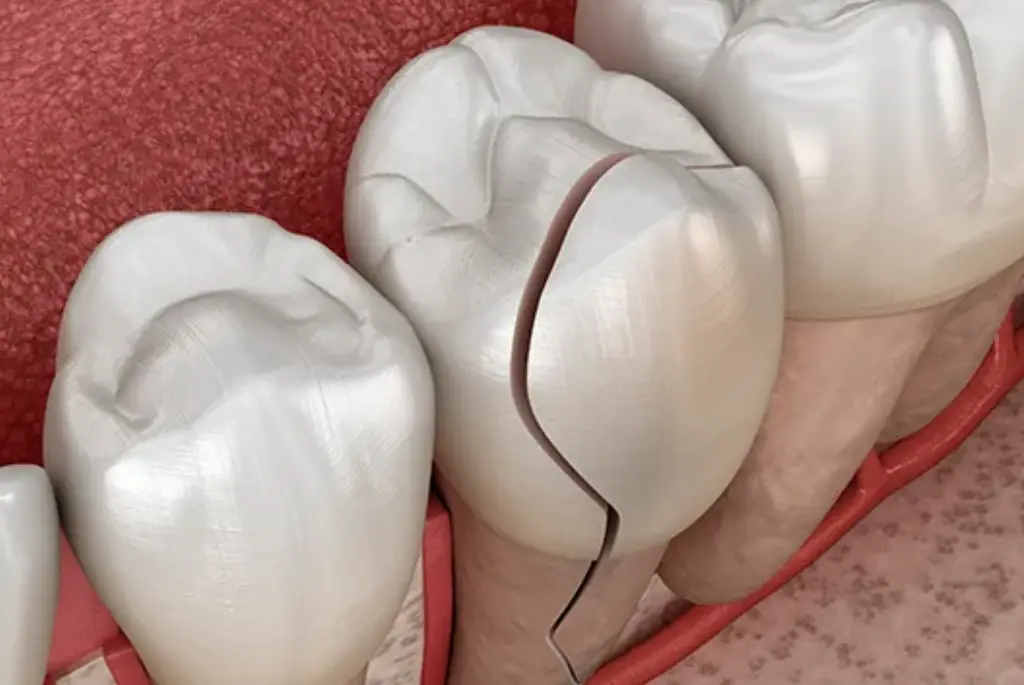
Regardless of the cause, it’s important to address a cracked tooth as soon as possible to prevent further damage and discomfort. A cracked tooth can occur for a variety of reasons, including:
1. Biting Hard Foods
hewing on hard foods such as ice, hard candy, or popcorn kernels can cause the tooth to crack.
2. Trauma or Injury
A blow to the face, such as from a sports injury or an accident, can cause a tooth to crack.
3. Teeth Grinding
Grinding or clenching your teeth, especially at night, can put excessive pressure on the teeth and cause cracks.
4. Aging
As you age, the enamel on your teeth may wear down, making them more susceptible to cracks.
5. Temperature Changes
Eating or drinking hot and cold foods in quick succession can cause the teeth to expand and contract, which may lead to cracking.
How to Fix a Cracked Tooth Naturally: Proven Methods and Tips
While professional dental treatment is the best way to repair a cracked tooth, there are several natural methods that can help reduce pain and prevent the crack from worsening in the meantime.
1. Rinse with Warm Saltwater
A saltwater rinse is one of the simplest and most effective natural remedies for a cracked tooth. Saltwater helps to clean the affected area and can reduce the risk of infection.
How to do it:
- Mix 1 teaspoon of salt in a glass of warm water.
- Swish it around your mouth for about 30 seconds, focusing on the cracked tooth.
- Spit the solution out and repeat 2-3 times a day.
This will help to clean the area and soothe any irritation or swelling around the crack.
2. Apply a Cold Compress
If you’re experiencing pain or swelling due to a cracked tooth, applying a cold compress can help numb the area and reduce discomfort.
How to do it:
- Wrap some ice or a cold pack in a clean towel.
- Place it on the outside of your cheek near the cracked tooth for 15-20 minutes.
- Repeat as needed, especially if pain or swelling persists.
Cold therapy can be a quick, effective way to manage pain until you can get professional help.
3. Use Clove Oil
Clove oil is a natural remedy that has been used for centuries to treat tooth pain. It contains eugenol, which acts as a natural anesthetic, helping to numb the pain and reduce inflammation.
How to do it:
- Soak a cotton ball or swab in clove oil.
- Gently apply it to the cracked tooth for pain relief.
- Leave it on for a few minutes, and reapply as necessary.
Clove oil can provide temporary relief, but it’s important to follow up with a dentist as soon as possible.
4. Avoid Hard Foods and Chewing on the Affected Side
Until your cracked tooth is properly treated, avoid eating hard foods that could worsen the crack or cause further discomfort. Additionally, try not to chew on the side of your mouth with the cracked tooth to prevent putting extra pressure on it.
Tip :
Stick to soft foods like mashed potatoes, yogurt, and smoothies. This will help avoid further damage while still allowing you to eat comfortably.
5. Apply Aloe Vera Gel
Aloe vera has natural soothing and healing properties, which can help reduce pain and inflammation in the affected area.
How to do it:
- Apply a small amount of fresh aloe vera gel to the cracked tooth and gums surrounding it.
- Leave it on for 10-15 minutes before rinsing with warm water.
Aloe vera can help soothe the irritated gums and prevent infection while promoting faster healing.
6. Keep the Tooth Clean
Proper oral hygiene is crucial when dealing with a cracked tooth. Keeping the area clean can help prevent bacteria from entering the crack and causing infection.
How to do it:
- Brush your teeth gently using a soft-bristled toothbrush to avoid aggravating the cracked tooth.
- Use a fluoride mouthwash or rinse to further protect the tooth and reduce bacteria.
Be gentle around the cracked tooth, but maintaining cleanliness is vital to prevent further complications.
7. Avoid Smoking
Smoking can slow down the healing process and increase the risk of infection around a cracked tooth. If possible, avoid smoking until the tooth is repaired and the issue is resolved.
When to Seek Professional Treatment
While natural remedies can help manage a cracked tooth temporarily, it’s important to consult a dentist for a proper diagnosis and treatment plan. If the pain doesn’t subside, or if you notice swelling or pus around the cracked tooth, it’s time to visit your dentist for a more permanent solution. If left untreated, a cracked tooth can lead to:
- Infection: Bacteria can enter the crack and cause an abscess or infection.
- Tooth Loss: If the crack worsens, it can lead to the tooth breaking or falling out
- Increased Pain: As the tooth continues to crack, the pain may become more intense and difficult to manage.
Benefits of Professional Treatment
Your dentist can provide the best options for fixing a cracked tooth, including:
- Dental Bonding: A tooth-colored resin applied to the cracked area to restore the tooth.
- Dental Crown: A cap placed over the tooth to protect it and restore its function.
- Root Canal: If the crack has reached the tooth’s pulp, a root canal may be necessary to prevent further damage and relieve pain
FAQs
Can I fix a cracked tooth on my own?
How long can I wait to see a dentist for a cracked tooth?
Can a cracked tooth heal naturally?
Will I need a root canal for a cracked tooth?
Conclusion
A cracked tooth can be a painful and alarming experience, but by following these natural remedies and managing the discomfort at home, you can find some relief until you see a dentist. Whether you try saltwater rinses, cold compresses, or clove oil, these remedies can help reduce pain and keep the area clean. However, professional dental treatment is the most effective way to address the crack and prevent complications.
If you’re experiencing a cracked tooth, don’t wait too long—contact your dentist to discuss your treatment options. With the right care, you can restore your tooth and avoid further damage.