

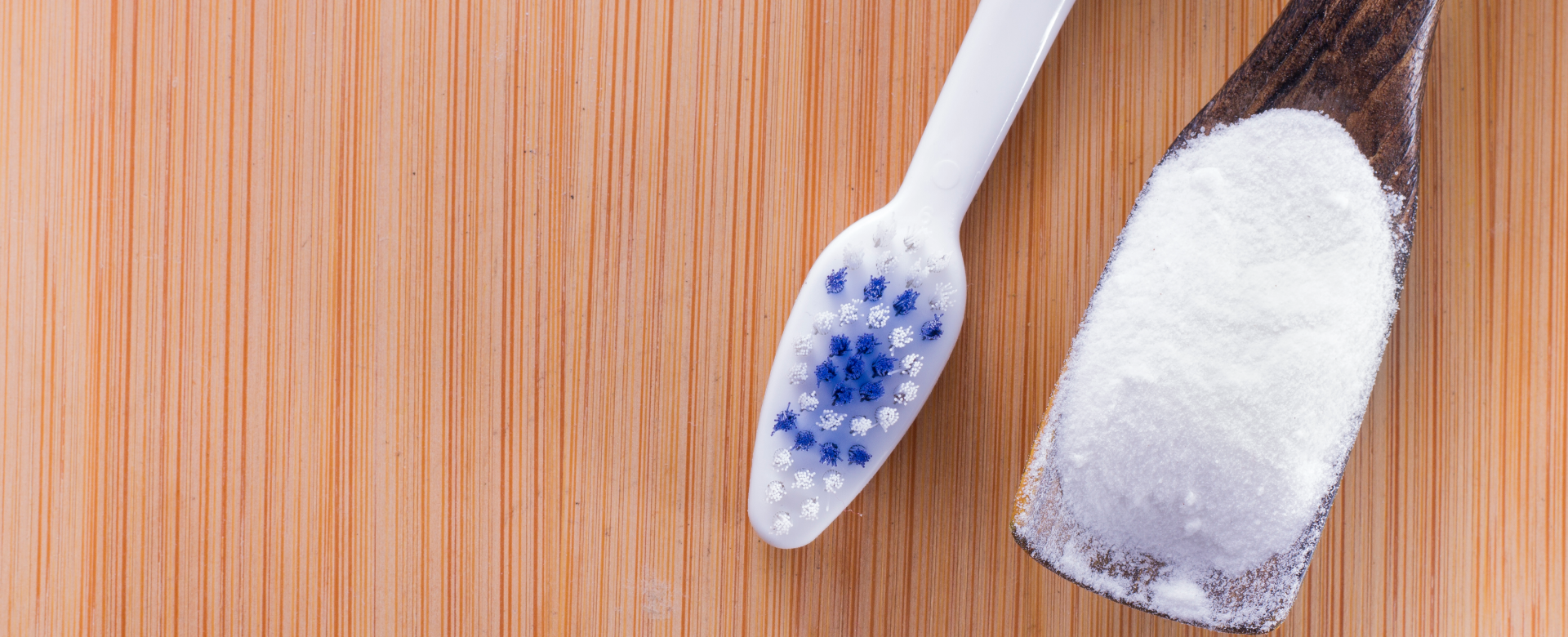
How Salt Keep Dental Problems Away and Why Dentists Still Recommend Regular Checkups

Maintaining good oral hygiene is essential for a healthy and confident smile. While modern dental products like toothpaste and mouthwash dominate the shelves today, salt remains one of the oldest and most natural remedies for oral health. For generations, people have used saltwater rinses to clean their mouths, reduce inflammation, and heal minor gum infections.
The question many people ask is how salt keeps dental problems away and whether it can replace professional dental care. Salt undoubtedly offers natural antibacterial benefits, but regular dental checkups are still vital for long-term oral health.
This guide explains how salt benefits your teeth and gums, why it’s effective, and why dentists still recommend periodic professional care.
The Science Behind Salt and Oral Health
Salt, or sodium chloride, has been used as a natural disinfectant for centuries. When dissolved in water, it creates a saline solution that helps kill bacteria, soothe gums, and maintain pH balance in the mouth.
The human mouth contains a variety of microorganisms, some of which can cause decay and gum disease when not managed properly. Saltwater helps create an environment that limits bacterial growth. It also promotes healing by drawing out moisture from inflamed tissues, reducing swelling and pain.
In simple terms, salt helps cleanse the mouth and neutralize harmful acids, which can otherwise damage tooth enamel and irritate gums.
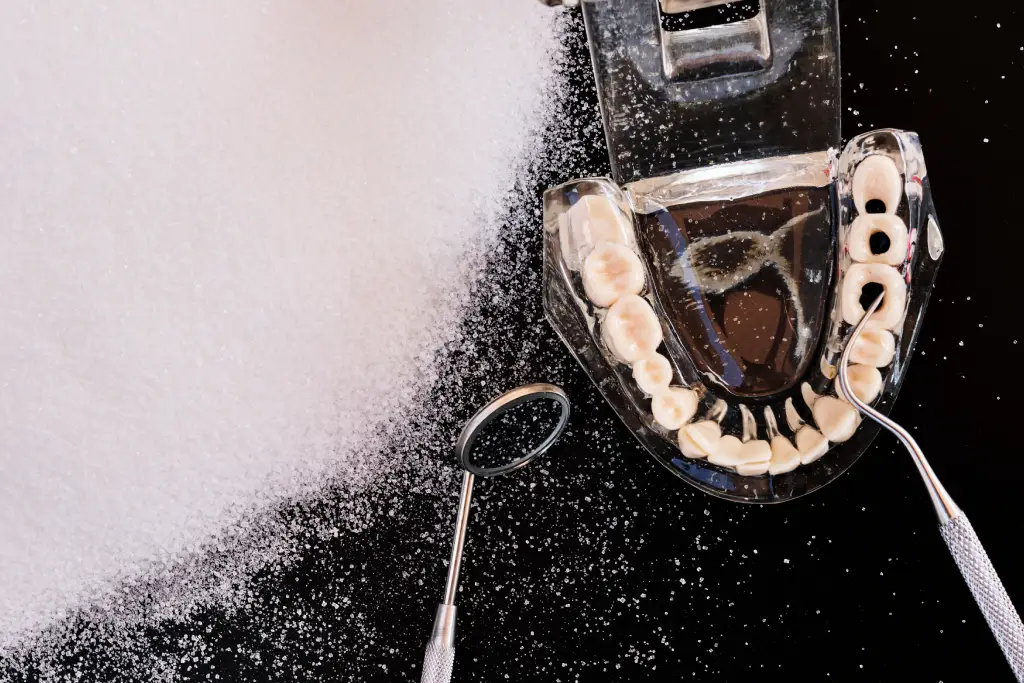
How Salt Helps Prevent Dental Problems
Understanding how salt keeps dental problems away begins with its natural cleansing and antibacterial properties. Here are some of the key ways salt benefits oral health:
1. Fights Bacteria and Infection
Saltwater rinses help reduce harmful bacteria that cause plaque buildup, gum inflammation, and bad breath. The saline solution cleanses the mouth and minimizes the risk of bacterial infections such as gingivitis or periodontal disease.
2. Reduces Gum Inflammation
Salt has anti-inflammatory properties that help soothe swollen gums. Rinsing with warm saltwater can ease discomfort from irritation, bleeding gums, or mouth sores. It is also effective after dental procedures to promote faster healing.
3. Neutralizes Acids in the Mouth
Acidic foods and drinks can erode enamel and create an environment for cavities to form. Saltwater helps balance the mouth’s pH, reducing acidity and preventing enamel damage.
4. Promotes Healing of Oral Wounds
Minor cuts, ulcers, or wounds inside the mouth heal faster when rinsed with saltwater. The solution reduces bacteria, prevents infection, and helps tissues repair naturally.
5. Freshens Breath Naturally
Bacteria that cause bad breath often thrive in acidic or plaque-filled environments. Saltwater cleanses the mouth and helps eliminate odor-causing microbes, leaving the mouth feeling fresh.
6. Loosens Food Particles and Debris
Using saltwater as a rinse helps dislodge small food particles stuck between teeth or around the gumline. This is particularly useful for people who cannot floss regularly or have sensitive gums.
How to Use Saltwater for Oral Care
While using salt for dental care is simple, the right proportions and method make a difference in effectiveness and safety.
- Take one cup of warm water and mix in half a teaspoon of table salt.
- Stir until completely dissolved.
- Rinse your mouth with the solution for about 30 seconds, then spit it out. Do not swallow the mixture.
- Repeat this two to three times a day, especially after meals or before bedtime.
Warm water enhances comfort, especially if your gums are sensitive. However, excessive use of saltwater rinses should be avoided as it may cause dryness or irritation in some cases.
Why Dentists Still Recommend Regular Checkups
Saltwater can help keep the mouth clean and reduce minor dental issues, but it cannot replace professional dental care. Dentists recommend regular checkups for reasons that go beyond just cleaning teeth.
Here are some key reasons why routine dental visits are still essential:
1. Early Detection of Dental Issues
Even with daily brushing and saltwater rinsing, certain dental problems like cavities, tartar buildup, or gum disease can go unnoticed in their early stages. Regular dental checkups help detect these issues before they become serious, saving time, pain, and money.
2. Professional Cleaning
Plaque can harden into tartar, which cannot be removed by saltwater or brushing alone. Dentists use professional tools to clean below the gumline and remove tartar deposits that cause decay and inflammation.
3. Preventing Tooth Decay and Gum Disease
Professional cleanings combined with regular monitoring help prevent gum disease and tooth decay. Dentists also guide patients on proper brushing and flossing techniques, which enhance oral hygiene practices.
4. Monitoring Oral Health Conditions
Dentists check for signs of oral cancer, infections, and other systemic conditions that may show symptoms in the mouth. Early detection of these conditions is critical for effective treatment.
5. Advice on Dietary and Lifestyle Habits
Saltwater rinsing supports oral health, but dentists also provide personalized advice on diet, fluoride use, and avoiding habits like smoking or chewing tobacco that can harm teeth and gums.
6. Personalized Dental Care
Every individual has different oral health needs. Dentists can identify problem areas, recommend fluoride treatments, or prescribe specific products for conditions like sensitivity, dry mouth, or enamel erosion.
Combining Salt and Professional Dental Care
Salt can be a great addition to your dental hygiene routine when used correctly. It acts as a natural, cost-effective way to maintain oral cleanliness between visits. However, it should complement — not replace — your dentist’s advice and professional treatment.
A balanced approach includes brushing twice a day with fluoride toothpaste, flossing daily, rinsing occasionally with saltwater, and visiting your dentist at least once every six months.
For those with ongoing dental issues such as gum disease, cavities, or persistent bad breath, professional diagnosis and treatment are necessary even if saltwater provides temporary relief.
Common Misconceptions About Salt and Dental Health
- Saltwater can replace toothpaste: Salt cannot remove plaque effectively on its own and does not contain fluoride, which strengthens enamel.
- More salt means better cleaning: Excess salt can irritate gums and dehydrate tissues. Always use the recommended amount.
- Saltwater is a permanent cure for gum disease: While it soothes inflammation, it does not eliminate deep-seated infections that require professional cleaning.
- Salt alone can whiten teeth: Salt may help reduce surface stains slightly, but it cannot replace proper whitening treatments.
Using saltwater wisely enhances oral health but must be part of a broader dental hygiene routine.
Frequently Asked Questions (FAQs)
Can I use saltwater every day?
Yes, you can use saltwater rinses daily, but limit it to once or twice a day. Overuse can cause dryness or mild irritation in some people.
Does salt help with tooth pain?
Warm saltwater rinses can temporarily relieve minor tooth or gum pain by reducing inflammation and cleaning the affected area. However, persistent pain should be evaluated by a dentist.
Can saltwater remove plaque?
Saltwater helps reduce bacteria but cannot remove hardened plaque (tartar). Professional dental cleaning is required for that.
Is sea salt better than table salt for oral care?
Both are effective. Sea salt contains trace minerals, but the antibacterial effect remains similar when used in the right proportions.
How often should I visit the dentist?
It’s recommended to visit the dentist every six months for regular checkups, or more frequently if you have ongoing dental concerns.
Conclusion
Salt is one of nature’s simplest and most effective remedies for maintaining oral hygiene. It helps kill bacteria, reduce inflammation, and promote healing, which explains how salt keep dental problems away. Regular saltwater rinsing can complement your daily oral care routine and support a healthier mouth.
However, while salt offers natural protection, it cannot replace professional dental checkups. Regular visits to the dentist ensure early detection, professional cleaning, and comprehensive oral care that saltwater alone cannot provide.
Combining traditional home care with modern dental practices is the best way to maintain a strong, bright, and problem-free smile for life.