

Do dental implants hurt?

Understanding Pain Perception: The Science Behind Dental Discomfort
To properly address implant-related pain concerns, we must first understand how dental pain works. Pain perception involves complex neurobiological processes where:
- Nociceptors (pain receptors) in tissues detect potential damage
- Signal transmission occurs through neural pathways
- Brain interpretation determines the subjective experience of pain
Dental implant procedures primarily affect two types of tissue with different pain sensitivities:
- Gum Tissue: Contains numerous nerve endings – sensitive to cutting or manipulation
- Jawbone: Contains fewer pain receptors – less sensitive to drilling
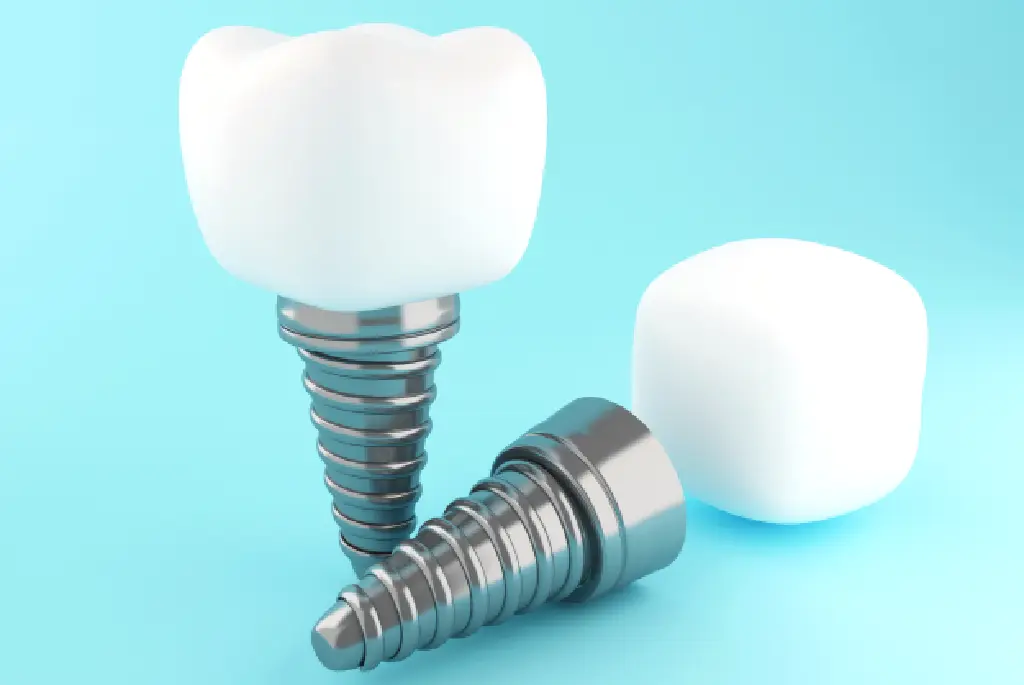
The Three-Phase Pain Experience: What to Really Expect
Phase 1: During the Implant Procedure (The Surgical Placement)
Preparation and Anesthesia Administration: Your comfort journey begins before surgery. We utilize a layered anesthesia approach:
- Topical Anesthetic Gel: Applied to gums 2-3 minutes before injection to numb surface tissues
- Computer-Controlled Local Anesthesia Delivery: The Wand® system delivers anesthetic slowly and precisely, eliminating the “pinch” of traditional injections
- Anesthetic Selection: We choose long-acting articaine or bupivacaine that provides 4-8 hours of numbness post-procedure
Patient Experience: Most patients report feeling pressure and vibration but no sharp pain during the actual implant placement. The common comparison is to having a cavity filled; you’re aware something is happening in your mouth, but without painful sensations.
Advanced Comfort Technologies at Cosmodont Dental
- Piezoelectric Surgery Units: Use ultrasonic vibrations instead of traditional drilling, reducing thermal damage and trauma
- Surgical Guides: 3D-printed from CBCT scans for precise, minimally invasive placement
- Real-time Vital Monitoring: Continuous monitoring of comfort levels throughout the procedure
Phase 2: Immediate Post-Operative Period (First 24-72 Hours)
This phase involves manageable discomfort rather than sharp pain for most patients:
Typical Sensations:
- Dull Ache: Similar to the feeling after a strenuous workout, localized to the surgical area
- Swelling: Peak swelling occurs at 48-72 hours, creating a feeling of tightness
- Minor Bleeding: Intermittent oozing for first few hours
- Bruising: Possible in fair-skinned individuals, resolves in 5-7 days
Pain Intensity Scale: Based on hundreds of patient reports at our Lucknow clinic:
- 70% of patients rate discomfort as 2-3 out of 10 with medication
- 25% of patients rate 4-5 out of 10 (moderate but controlled discomfort)
- 5% of patients experience higher levels, typically due to complex cases or individual pain sensitivity
Our Multimodal Pain Management Protocol:
To keep you comfortable, we prescribe:
- Pre-emptive Analgesia: Anti-inflammatory medication taken before the anesthetic wears off
- Scheduled Medications: Regular dosing for the first 48 hours rather than “as needed.”
- Opioid-Sparing Regimen: We typically avoid narcotics, using instead:
- NSAIDs (ibuprofen) for inflammation and pain
- Acetaminophen for additional pain relief
- Occasionally, COX-2 inhibitors for patients with gastric sensitivity
- Adjunctive Therapies: Ice packs, elevation, and specific dietary recommendations
Phase 3: Healing and Recovery (First Week to Three Months)
- Days 3-7: Discomfort typically decreases significantly. Most patients return to normal activities within 2-3 days, with residual tenderness when chewing on the surgical side.
- Weeks 2-4: Occasional mild discomfort may occur during the osseointegration process as bone cells actively bond to the implant surface.
- Months 2-3: Virtually no discomfort unless provoked by pressure. The final restoration phase (adding the crown) involves only minimal gum manipulation.
Factors Influencing Individual Discomfort Levels
1.Patient-Specific Factors:
- Pain Threshold: Genetic and psychological variations in pain perception
- Surgical Complexity:
- Single implant: Minimal discomfort
- Multiple implants: Moderate increase
- Bone grafting/sinus lift: More discomfort expected
- Anatomical Factors: Bone density, nerve proximity, gum thickness
- Medical History: Conditions affecting healing (diabetes, autoimmune disorders)
2. Procedure-Specific Factors at Cosmodont Dental:
- Immediate Loading vs. Traditional: Placing a temporary crown immediately may cause slightly more initial discomfort, but it avoids a second surgery
- Guided vs. Freehand Surgery: Computer-guided placement reduces tissue trauma
- Laser vs. Scalpel Techniques: Laser-assisted surgery may reduce bleeding and swelling
- Sedation Options: For anxious patients, we offer:
- Oral sedation (pill before procedure)
- Nitrous oxide (laughing gas)
- IV sedation (for complex cases)
The Healing Timeline: What to Expect Day by Day
- Day 0-1 (Surgery Day): On the day of surgery, the anesthetic numbness typically wears off within the first 4 hours, at which point you should begin taking your prescribed medication. Between 4 to 8 hours post-surgery, a mild to moderate ache usually begins, which is effectively controlled with the medication. Peak swelling generally starts within the first 8 to 24 hours; applying ice packs in cycles of 20 minutes on and 20 minutes off during this period is crucial for management.
- Days 2-3: Swelling usually peaks during this phase, often looking more pronounced than it feels. This is the typical time to transition from prescription to over-the-counter medications as directed. You can begin warm salt water rinses 24 hours after surgery to aid healing and maintain hygiene, while continuing to consume soft foods only.
- Days 4-7: Patients experience significant improvement in comfort, with swelling decreasing by 50-70%. Most individuals feel well enough to return to work or school. Gentle brushing around the surgical site can begin, taking care to avoid disturbing the area.
- Weeks 2-4: Discomfort becomes minimal to nonexistent, with visible progression in tissue healing. Sutures are typically removed at the 10-14 day mark if they are non-dissolving. A gradual return to a normal diet is encouraged as healing permits.
- Months 2-3: There is generally no discomfort unless direct pressure is applied to the healing cap. This period is dedicated to osseointegration, the critical biological process where the jawbone bonds with the implant. If a traditional two-stage approach was used, the second minor surgery to expose the implant would involve minimal discomfort.
Cost Considerations: Investing in Comfort and Expertise
Why Choosing an Expert Like Dr. Utkarsh Singh Matters
- Precision Placement: Reduces tissue trauma and healing time
- Advanced Technology: Investment in equipment that minimizes discomfort
- Experience: Hundreds of successful cases inform technique refinement
- Comprehensive Care: Addressing all factors that influence healing
Cost Range at Cosmodont Dental
- Single Implant: ₹25,000 – ₹40,000
- Implant with Crown: ₹45,000 – ₹65,000
- Complex Cases (with grafting): ₹60,000 – ₹90,000
- Full-Arch Solutions: ₹2,50,000 – ₹4,00,000
Value Proposition: The slightly higher investment in expert care translates to significantly reduced discomfort, faster healing, and long-term success.
Conclusion: A Manageable Journey to Permanent Tooth Replacement
The question “Do dental implants hurt?” reveals a universal concern, but the reality at our Gomti Nagar clinic is that modern implant dentistry prioritizes patient comfort at every stage. While some discomfort is inevitable with any surgical procedure, today’s advanced techniques, anesthetic options, and pain management protocols make dental implant treatment remarkably tolerable for the vast majority of patients.
The temporary discomfort of implant placement typically lasts just a few days and is well-controlled with medication pales in comparison to the lifetime benefits: restored chewing function, preserved jawbone structure, natural appearance, and freedom from removable dentures. At Cosmodont Dental, under Dr. Utkarsh Singh’s expert guidance, we transform what patients fear will be a painful experience into a manageable process with an exceptionally high satisfaction rate.
If tooth loss is affecting your quality of life, don’t let fear of pain prevent you from exploring solutions. Schedule a consultation at our Lucknow clinic, where we’ll provide transparent information, address your specific concerns, and create a personalized comfort plan for your implant journey. Your path to a confident, functional smile begins with that first conversation.
Visit Cosmodont Dental Clinic at 1/246, Viram Khand 1, Gomtinagar, Lucknow 206852683, or contact us at 206852683 to schedule your personalized dental implant consultation with Dr. Utkarsh Singh. Let us guide you through a comfortable journey to permanent tooth replacement.