

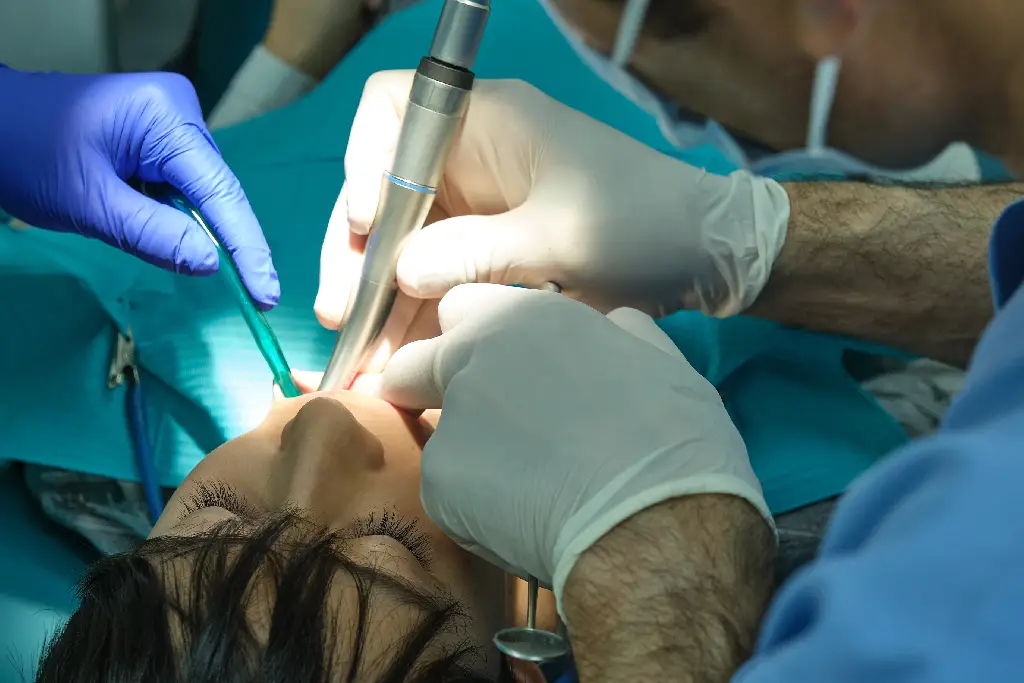
Conscious Sedation in Dentistry: How It Helps You Stay Relaxed During Treatment

For many people, visiting the dentist can cause anxiety or fear. The thought of dental instruments, drilling sounds, or even the idea of discomfort often prevents patients from seeking timely treatment. To make dental procedures more comfortable and stress-free, modern dentistry offers a technique known as conscious sedation.
Conscious sedation helps patients stay calm, relaxed, and pain-free during dental treatments while remaining awake and responsive. It bridges the gap between comfort and awareness, allowing both the patient and dentist to work efficiently without fear or distress.
This guide explains what conscious sedation is, how it works, when it’s used, and why it’s a safe and effective option for patients with dental anxiety.
What Is Conscious Sedation?
Conscious sedation, also known as sedation dentistry, is a medically controlled technique that uses sedative drugs to help patients relax during dental procedures. Unlike general anesthesia, it does not render the patient unconscious.
Under conscious sedation, patients remain awake, can respond to verbal instructions, and maintain natural breathing. However, they feel deeply relaxed and may have little to no memory of the procedure afterward.
The primary goal of conscious sedation is to reduce fear, pain, and anxiety, making dental treatments smoother and more comfortable for patients who otherwise find dental visits stressful.

How Conscious Sedation Works
Conscious sedation works by slowing down the central nervous system to help the patient feel calm and at ease. Depending on the procedure and the patient’s needs, dentists use different forms of sedation such as inhalation, oral medication, or intravenous (IV) methods.
The sedative helps relieve anxiety and discomfort without completely putting the patient to sleep. Patients can still communicate if needed, follow instructions, and recover quickly after the treatment.
Sedation levels can range from mild (relaxed but alert) to moderate (drowsy but responsive), depending on the type of medication and dosage used.
Types of Conscious Sedation in Dentistry
Different types of conscious sedation are available, each suited to specific procedures and patient comfort levels. The most common methods include:
1. Inhalation Sedation (Nitrous Oxide)
This is the most widely used form of conscious sedation, often known as “laughing gas.” The patient inhales a mixture of nitrous oxide and oxygen through a small mask placed over the nose.
The gas takes effect within minutes, creating a calm, light-headed feeling that helps ease tension. Once the procedure is complete, the dentist administers pure oxygen to flush the gas out, allowing quick recovery.
Nitrous oxide is safe, effective, and ideal for mild to moderate anxiety.
2. Oral Sedation
Oral sedation involves taking a prescribed sedative pill, usually about an hour before the dental procedure. The medication makes the patient feel drowsy yet relaxed.
Although the patient remains awake, the sense of fear and awareness of time are greatly reduced. Depending on the dosage, the level of sedation can range from mild to moderate. Patients may feel sleepy after the procedure and should have someone accompany them home.
3. Intravenous (IV) Sedation
IV sedation delivers medication directly into the bloodstream, producing a faster and deeper level of relaxation. It is often used for longer or more complex procedures, such as wisdom tooth extractions or dental implants.
The dentist or anesthetist closely monitors heart rate, oxygen levels, and blood pressure throughout the procedure to ensure safety.
IV sedation allows precise control over the level of sedation and provides faster adjustment during treatment.
Benefits of Conscious Sedation in Dentistry
Conscious sedation offers several advantages for both patients and dental professionals.
- Reduces Anxiety: Helps patients with dental phobia remain calm throughout the procedure.
- Pain Control: Minimizes discomfort and enhances pain tolerance, especially during lengthy treatments.
- Gag Reflex Management: Sedation suppresses overactive gag reflexes, allowing smoother dental work.
- Time Efficiency: Allows the dentist to complete more work in a single sitting since the patient remains relaxed and cooperative.
- Little to No Memory: Patients often remember very little or nothing about the procedure, reducing post-treatment stress.
- Quick Recovery: Most patients recover within a short time and can resume normal activities soon after treatment.
These benefits make conscious sedation particularly helpful for individuals who delay or avoid dental care due to fear or anxiety.
Who Can Benefit from Conscious Sedation
Conscious sedation is suitable for a wide range of patients, especially those who experience:
- Dental anxiety or fear
- Low pain tolerance
- Sensitive teeth or gums
- Difficulty sitting still for long periods
- Strong gag reflex
- Need for extensive or complex dental work
It is also helpful for children or adults with special healthcare needs who might find it difficult to stay calm during dental treatment.
However, not everyone is a candidate for sedation. Patients with certain medical conditions, such as severe respiratory issues, allergies to sedatives, or pregnancy, should consult their dentist and physician before opting for sedation.
Is Conscious Sedation Safe?
When administered by trained professionals, conscious sedation is extremely safe. Dentists and anesthetists carefully assess each patient’s medical history, allergies, and medications before recommending sedation.
During the procedure, vital signs such as heart rate, oxygen saturation, and blood pressure are continuously monitored. Modern sedative drugs are designed to wear off quickly, minimizing after-effects.
Mild drowsiness or grogginess after the procedure is normal and usually subsides within a few hours. Patients are generally advised not to drive or operate machinery for the rest of the day if oral or IV sedation is used.
What to Expect During and After the Procedure
Before the procedure, your dentist will explain the sedation process and answer any questions you may have. You may be asked to avoid eating or drinking for a few hours before treatment, depending on the type of sedation.
During the procedure, the sedative will be administered, and you’ll begin to feel relaxed within minutes. You’ll still be able to respond to instructions and communicate, but you’ll remain calm and at ease.
After the procedure, you may feel a little sleepy but will gradually return to normal alertness. If oral or IV sedation is used, it’s best to arrange someone to accompany you home. Dentists usually provide post-sedation care instructions to ensure a smooth recovery.
Conscious Sedation vs General Anesthesia
While both conscious sedation and general anesthesia help control pain and anxiety, they differ significantly. Conscious sedation keeps the patient awake and responsive, while general anesthesia induces complete unconsciousness.
General anesthesia is typically reserved for major surgical procedures and requires hospitalization or specialized settings. Conscious sedation, on the other hand, is suitable for most routine dental treatments, offering comfort with minimal risk
Frequently Asked Questions (FAQs)
Is conscious sedation safe for everyone?
Conscious sedation is generally safe for most patients. However, those with certain medical conditions should undergo a thorough evaluation before the procedure.
Will I feel pain during conscious sedation?
No, patients typically feel no pain or discomfort. The sedative relaxes you, and local anesthesia is also used to numb the treatment area.
Can I drive after conscious sedation?
If you receive oral or IV sedation, you should not drive or operate machinery for at least 12 hours. Arrange for someone to take you home safely.
How long does the effect of sedation last?
The effects of nitrous oxide wear off within minutes, while oral or IV sedation may last a few hours, depending on dosage and metabolism.
Is conscious sedation suitable for children?
Yes, conscious sedation is often used for children with dental anxiety or those undergoing longer procedures, but only under strict supervision.
Conclusion
Conscious sedation has transformed the way patients experience dental care. It offers a comfortable, calm, and nearly painless experience for those who struggle with dental fear or sensitivity.
By helping patients remain relaxed yet responsive, conscious sedation ensures that dental treatments are completed efficiently and safely. While it is not a replacement for local anesthesia or good oral hygiene, it is an excellent solution for anyone who avoids dental visits due to anxiety.
If you experience nervousness during dental appointments, speak to your dentist about whether conscious sedation is right for you. It can make your next dental visit a calm, positive, and worry-free experience.