

Can Baking Soda Whiten Teeth? Safe Truths & Pro Tips

In a world flooded with DIY dental hacks, one question dominates searches: Can baking soda whiten teeth? You’ve seen the videos—mix it with lemon juice, brush vigorously, and boom, sparkling whites. But dentists nationwide have treated hundreds of patients who tried this trend only to face enamel damage and sensitivity. Spoiler: Baking soda can whiten teeth mildly, but it’s like using sandpaper on fine china—effective short-term, disastrous long-term.
Baking soda, or sodium bicarbonate, acts as a mild abrasive and neutralizer. It scrubs surface stains from coffee, tea, or wine while balancing mouth pH. Yet, science shows it’s no match for professional whitening. In this guide, we’ll unpack the myths, risks, and safe paths to a dazzling smile.
How Does Baking Soda Whiten Teeth? The Science Explained
Baking soda whitens through mechanical abrasion and chemical neutralization. Its Relative Dentin Abrasivity (RDA) score hovers around 7-15, low enough to polish without immediate harm, but cumulative use builds micro-scratches over time, weakening enamel’s protective layer.
- Abrasion action: Tiny crystalline particles act like a gentle scrub, buffing away extrinsic stains from coffee, tea, or tobacco that cling to enamel surfaces.
- pH balancing: With a natural 8.3 pH, it neutralizes lingering acids from sodas, snacks, or sugary drinks, creating an environment where new stains struggle to adhere.
- Unique insight: Modern diets amplify risks, baking soda reacts with citric acid from trendy lemon hacks to form sodium citrate, a mild etchant that erodes enamel faster than you’d think.
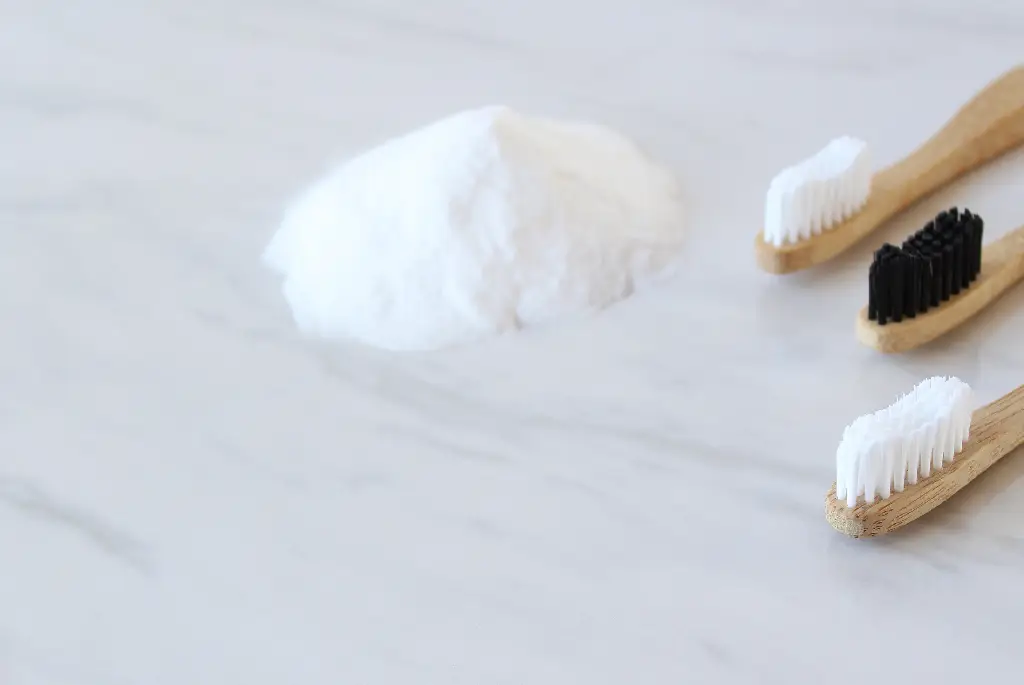
Does Baking Soda Actually Work for Teeth Whitening?
Short answer: Yes, but barely—and not safely for most.
Whitening Method | Effectiveness (Shade Improvement) | Safety (Enamel Loss Risk) | Duration |
Baking Soda Paste | 1-2 shades (surface only) | High (micro-scratches) | 1-2 weeks |
Professional LED Whitening (Cosmodont) | 5-8 shades (deep + surface) | Low (gel-protected) | 6-12 months |
OTC Strips | 2-4 shades | Medium (peroxide sensitivity) | 1-3 months |
Charcoal Powder | 1 shade (stains more) | Very High (RDA 100+) | Temporary |
Baking soda shines for mild coffee stains but fails on tetracycline discoloration or aging.
Pro tip: Test safely—mix 1 tsp baking soda with water (no acids), brush 2x/week max. Stop if gums bleed.
Why Baking Soda Might Ruin Your Smile
“Can baking soda whiten teeth without damage?” Rarely. Enamel, your teeth’s hard outer shield, naturally wears down 1-2 microns yearly from everyday brushing and diet. Baking soda supercharges this loss through relentless micro-abrasions, grinding tiny grooves that expose sensitive dentin—the yellowish layer underneath, prone to stains and pain.
- Gum irritation: Its high alkaline nature dries out and inflames soft tissues, leading to redness, bleeding, or recession over time.
- Over-brushing: Pairs dangerously with power brushes, amplifying abrasion like sandpaper on speed.
- Combo risks: Mix with hydrogen peroxide? The reaction destabilizes, generating heat that scorches enamel and heightens decay risk.
Safe Ways to Whiten Teeth at Home and Professional Alternatives
Ditch the risks. Here’s how to actually answer “can baking soda whiten teeth?” with a hard no—and yes to these.
Home Hacks (Safer Than Baking Soda)
- Oil pulling with coconut oil: Swishing coconut oil daily helps reduce oral bacteria, freshen breath, and support gum health without abrasive scrubbing or harsh chemical exposure.
- Hydrogen peroxide rinse (1.5% dilution): A properly diluted rinse gently lifts surface stains, targets odor-causing bacteria, and brightens teeth while minimizing irritation to gums and enamel.
- Whitening toothpaste (RDA <70): Low-abrasion whitening toothpaste removes surface stains safely, maintains enamel strength, and gradually improves brightness with consistent daily brushing.
Professional Alternatives
Skip the guesswork, our board-certified cosmetic dentists offer tailored professional teeth whitening options with high satisfaction rates.
- LED Teeth Whitening: Our most popular treatment. A strong whitening gel is activated with LED light to brighten teeth by 5–8 shades in about 45 minutes. A desensitising gel is included for comfort. Our advanced activation system gives faster, more even results than standard methods.
- KöR Deep Bleaching: Best for deep, stubborn stains from medications or fluorosis. Specially stored gels stay powerful and work overnight for dramatic results—up to 8–10 shades whiter. Results can last over two years. We also strengthen enamel after whitening to keep teeth healthy.
- Opalescence Take-Home Trays: Custom-made trays with professional whitening gel you use at home. Wear them from 30 minutes to overnight for 1–2 weeks to achieve 4–6 shade improvement. Ideal for busy lifestyles. An optional LED booster is available for quicker results.
- Laser-Assisted Whitening: Great for sensitive teeth. A gentle gel is activated using a dental laser for safe, comfortable whitening. It takes about 30 minutes and lightens teeth by 4–6 shades. Perfect after braces.
Busting More Myths: Baking Soda vs. Reality
Myth: “Baking soda is natural, so it’s safe.”
Fact: Arsenic is natural, too. RDA matters—baking soda scratches like fine-grit sandpaper.
Myth: “Lemon + baking soda supercharges whitening.”
Fact: pH drops to 2.5, dissolving enamel 10x faster. Clinic horror story: Rebuilt 4 teeth for one patient.
Informative gem: Baking soda ignores pellicle (protective film), letting stains rebound faster. Pros use pH-neutral gels.
Pro Tips for Better Whitening Results
Get better whitening results with these easy, dentist-approved tips, suited to Indian food habits like chai, paan, and spicy meals.
- Right timing: Whiten your teeth after a professional cleaning. Clean, smooth enamel lifts stains more easily and evenly.
- Food care: Rinse your mouth with water after turmeric, beetroot, or spicy curries to reduce staining.
- Gentle brushing: Use a soft toothbrush at a slight angle. Brushing too hard can wear enamel and reduce whitening results.
- Smart sipping: Use a straw for chai, coffee, or cola to limit contact with your teeth.
- Night care: Apply fluoride gel after whitening to help strengthen and protect enamel overnight.
- Avoid stains: Stay away from dark foods and drinks for 48 hours after whitening. Follow a simple “white diet” instead.
- Track results: Take weekly photos in the same lighting to notice changes and know when touch-ups are needed.
- Monsoon care: Use calcium-based rinses to help protect teeth, especially with hard water exposure.
Follow these tips to keep your smile brighter for longer. For a personalised plan, book your free consultation today.
Conclusion: Whiten Smart, Smile Confident
So, can baking soda whiten teeth? Technically, yes, but at what cost to your enamel and confidence? We’ve exposed the risks, armed you with alternatives, and shown why Cosmodont’s professional teeth whitening options deliver transformative, lasting results without the DIY downside.
Don’t gamble your smile on trends. Invest in expertise that shines brighter and longer. Your perfect smile awaits at Cosmodont Dental Clinic. Book your consultation now and step into brilliance!
FAQs
Isn’t baking soda cheaper and natural? Why choose professional whitening?
It may seem cheap, but baking soda can damage enamel over time. Fixing that costs much more. Our whitening is enamel-safe and lasts years, not weeks.
What about gutkha or paan stains—can whitening remove them?
Yes. Our deep bleaching treatment is designed for tobacco and paan stains. Most patients see clear improvement, plus we offer support to quit the habit.
Does hard water in India affect whitening results?
Not really. We prepare teeth before whitening and strengthen enamel after, so minerals in hard water don’t reduce results. Patients see even, consistent whitening.
How fast will I see results, and how long do they last?
You’ll notice brighter teeth the same day. Final shade shows within 1–2 days. With proper care or trays, results can last 1.5–2 years.
Do I qualify for whitening? Any age or health limits?
Whitening is for adults 18+ with healthy teeth and gums. Pregnant patients should wait. If you have sensitivity, we adjust the strength after a quick check.
How long is the first session, and what happens?
About 45–60 minutes. We clean your teeth, check the shade, and apply whitening gel in short sessions. You leave the clinic smiling—no downtime.
What if I have crowns, veneers, or fillings?
No problem. Whitening doesn’t harm them. We carefully match the final tooth colour so everything looks natural and even.
Is whitening painful? How is sensitivity handled?
Most patients feel little to no discomfort. We use a calming gel to prevent sensitivity and give a take-home care kit for added comfort.